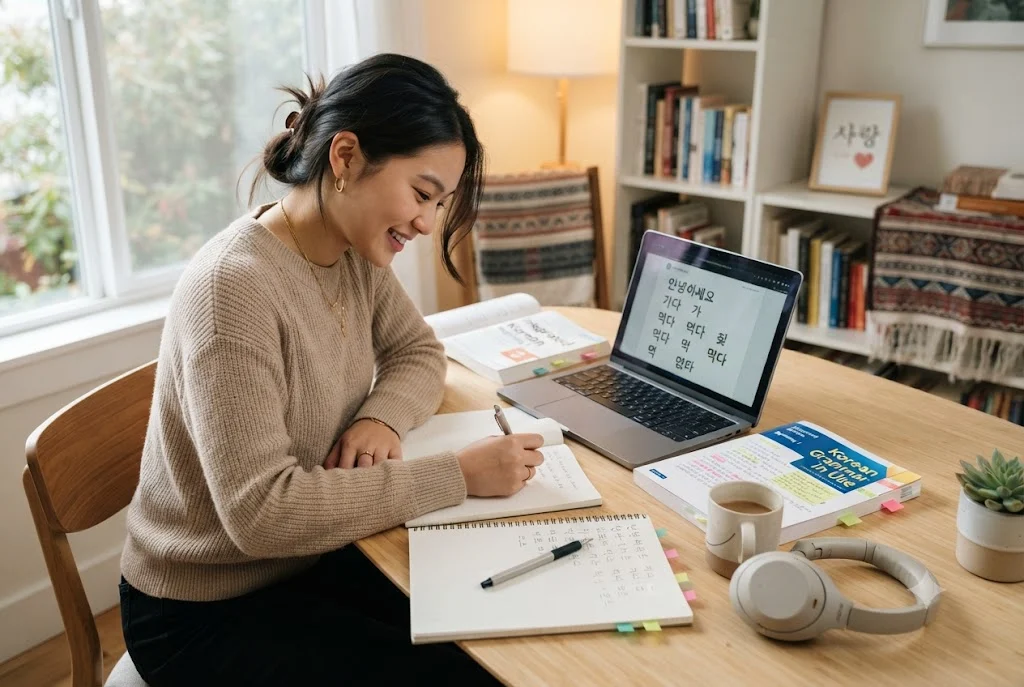
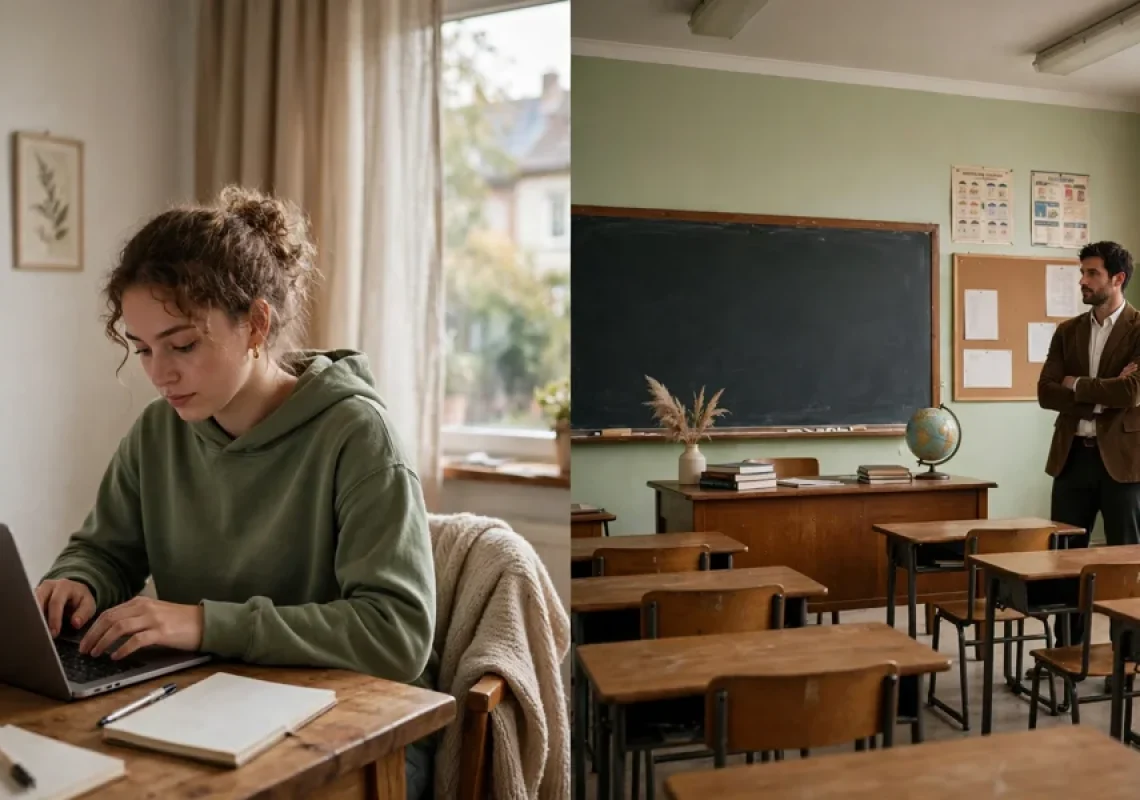
The debate between online learning and classroom learning is usually argued as if one must win. In practice, the two formats are good at different things, and the right question is not which is better but which fits your subject, your schedule, and your self-discipline. This guide compares online learning vs classroom learning across the differences that actually affect outcomes — pacing, interaction, cost, accountability, and the kind of learner each format rewards — and ends with a practical way to choose, including the increasingly common answer: a deliberate blend of both.
Flexibility and Pacing
The clearest difference is control over time. Online learning lets you study when your life allows — early mornings, lunch breaks, after children are asleep — and to move at your own pace, pausing difficult material and skipping what you already know. Classroom learning runs on a fixed timetable at a group’s pace: a real constraint for working adults, but also a structure that carries students who would otherwise postpone indefinitely. Ask honestly which you need more: freedom, or a schedule that makes the decision for you. Many online learners rebuild that structure for themselves using the systems in our guide to optimizing study time on online platforms.
Interaction and Feedback
Classrooms offer immediate, human interaction: questions answered in the moment, discussion that exposes misunderstanding, and a teacher who can see confusion on your face. Online formats replace this with forums, recorded explanations, automated quizzes, and scheduled tutor contact — slower, but often more considered, and available to shy students who would never raise a hand. The gap narrows when online learners deliberately build interaction through online learning communities, which provide the discussion and peer support the format does not supply by default. What neither format guarantees is feedback quality; a disengaged classroom and a well-run online course are not the contest most debates imagine.
Cost and Access
Online learning usually costs less in money and far less in travel, and it opens courses that no local institution offers — a decisive advantage outside large cities. Classroom learning bundles costs (fees, commuting, materials) but also bundles resources: libraries, laboratories, equipment, and face-to-face services. Compare total cost honestly, including the value of your travel time, and remember that the cheapest course is the one you actually complete; a low completion rate is the most expensive outcome of all.
Accountability and Self-Discipline
This is the difference that decides most outcomes. A classroom externalises discipline: attendance is expected, deadlines are public, and falling behind is visible. Online learning internalises it — nobody notices if you skip a week, which is why motivation management becomes a core skill; our tips for maintaining motivation during challenging courses and exams exist precisely because online learners must supply their own momentum. Students with strong self-discipline often outperform their classroom peers online; students still building it usually do better with a timetable and a teacher expecting them.
What Each Format Teaches Besides the Subject
Formats teach hidden lessons. Classroom learning trains collaboration, presentation, and working at a shared pace — professional skills in themselves. Online learning trains self-management, written communication, and digital fluency — equally professional, increasingly prized. Practical subjects add another consideration: laboratories, workshops, clinical and studio work need physical presence or serious simulation, while reading-, writing-, and screen-based subjects lose almost nothing online. Let the subject vote before your preferences do.
Choosing: A Practical Method
Score your situation on five questions. Is my schedule fixed or fragmented? Do I learn better by discussion or by solitary work? How strong is my self-discipline, honestly, on past evidence? Does the subject require physical practice or equipment? What can I afford in money and travel time together? Fragmented schedule + strong discipline + screen-based subject points online; weak discipline + discussion-based learning + practical subject points to the classroom. Mixed answers point to the blend many institutions now offer — core material online, with scheduled in-person sessions for discussion, practice, and assessment. Blended learning is not a compromise; chosen deliberately, it takes the pacing of one format and the accountability of the other.
What Employers and Institutions Actually Think
Students often worry that one format looks weaker on an application. In practice, employers and admissions tutors care far more about the qualification, the institution behind it, and what the candidate can demonstrate than about the delivery mode — a position that has strengthened as online study has become normal across professional education. Where format does matter is in the evidence you can show: online learners should keep portfolios, project outputs, and certificates organised, because they cannot rely on a tutor’s memory of them in a classroom. Classroom learners, in turn, should not assume attendance speaks for itself; the same portfolio habit serves them equally. In both formats, the qualification opens the door and the evidence walks you through it — which is why the choice between formats should be made on learning fit, not on imagined prestige.
Final Thoughts
Online learning vs classroom learning is a question about fit, not superiority. The best format is the one whose structure compensates for your weaknesses and exploits your strengths, for the subject in front of you, in the season of life you are in. Answer the five questions honestly, and the choice usually makes itself — and if your answer is a blend, you are in the growing majority who have stopped treating the debate as a war and started treating it as a design decision.