
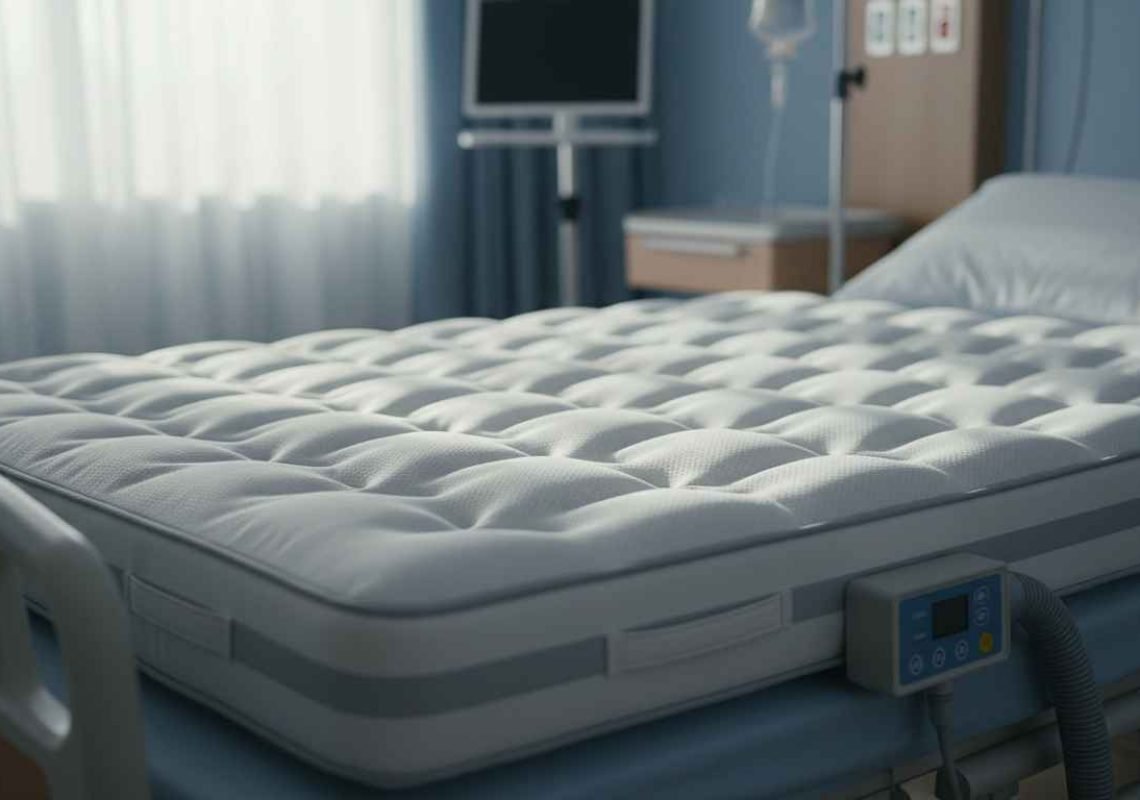
I wish I knew this 10 years ago when I first started exploring alternatives to traditional hospital mattresses. The topic of air mattresses for hospital beds is often shrouded in misconceptions, and understanding the reality can significantly impact patient comfort, recovery speed, and overall safety. While these mattresses have grown in popularity, distinguishing myth from fact is crucial before making a decision.
Myth 1: Air Mattresses Are Only for Comfort
Many people assume air mattresses for hospital beds exist solely for patient comfort, but their role goes far beyond cushioning. Modern hospital-grade air mattresses are designed to prevent pressure ulcers, improve circulation, and facilitate safer patient transfers. A study published in the Journal of Wound Care (2020) found that patients using dynamic alternating pressure mattresses had a 35% lower incidence of pressure injuries compared to those on traditional foam mattresses. This demonstrates that comfort and medical functionality go hand in hand.
Myth 2: All Air Mattresses Are the Same
It’s a common belief that any air mattress will suffice for hospital use, but the reality is far more complex. Hospital-grade models differ in air cell design, weight distribution, and pressure relief technology. Alternating pressure systems, low-air-loss features, and hybrid designs each serve specific patient needs. For example, alternating pressure systems help redistribute pressure for immobile patients, whereas low-air-loss mattresses manage moisture and skin integrity. Choosing the wrong type can lead to discomfort and even exacerbate existing conditions.
Myth 3: Air Mattresses Are High Maintenance
Critics often claim that air mattresses are cumbersome and require constant adjustments, but modern models come with automated controls. Many feature smart pumps that regulate pressure based on patient weight and movement, reducing the need for manual intervention. Regular maintenance, such as checking for leaks or cleaning the surface, is minimal compared to the health benefits these mattresses provide. Institutions and families alike find them easier to manage than many traditional alternatives.
Myth 4: Air Mattresses Are Unsafe for Hospital Use
Safety concerns often arise around stability and the risk of falls. High-quality hospital air mattresses are designed with firm, anti-slip bases and secure bed attachment systems to mitigate these risks. According to research in the International Journal of Nursing Studies (2019), properly installed air mattresses do not increase fall risk and, in some cases, reduce incidents by promoting proper posture and support. Still, safety precautions should always be observed.
Safety First
Always ensure the mattress is compatible with the bed frame, meets medical-grade standards, and is installed correctly. Incorrect setup can lead to falls, pressure injuries, or malfunction of automated systems.
Myth 5: Air Mattresses Replace Nursing Care
Another misconception is that these mattresses eliminate the need for frequent monitoring. While they significantly reduce the risk of pressure ulcers and improve comfort, they cannot substitute for attentive care. Patients still require repositioning, skin checks, and routine medical supervision. The mattress is a tool, not a replacement for professional nursing care.
Fact 1: They Improve Healing and Comfort
Numerous studies show that patients using specialized air mattresses report lower pain scores and improved sleep quality. For long-term recovery or post-operative care, this improvement in comfort can accelerate healing by reducing stress and promoting better rest. Integrating a high-quality air mattress into a care plan complements other medical interventions effectively.
Fact 2: Customization Matters
Modern hospital air mattresses allow customization for individual patient needs. Pressure settings, firmness, and zoned support can be adjusted for specific health conditions. Families and care facilities can tailor the mattress for mobility issues, post-surgery recovery, or chronic pain management. Choosing a mattress that allows these adjustments ensures optimal patient outcomes. For those traveling or seeking temporary hospital bed solutions, properties like Avantiresort often offer family-friendly options with adaptable sleep surfaces that mimic these features.
Fact 3: They Are Cost-Effective in the Long Run
While the initial cost of a hospital-grade air mattress may seem higher than standard foam alternatives, their long-term benefits make them cost-effective. Reduced incidence of pressure injuries, shorter hospital stays, and fewer complications translate to lower overall medical expenses. Investing in quality equipment upfront saves both money and patient discomfort over time.
Potential Drawbacks or Who Should Avoid This
Air mattresses are not universally ideal. Patients with severe instability, high fall risk without supervision, or those requiring specialized beds for advanced respiratory support may not benefit from standard air mattresses. Additionally, users sensitive to noise from pumps or seeking ultra-firm support may find some models unsuitable. Consulting healthcare professionals before selecting a mattress ensures that patient-specific needs are met.
Fact 4: Hygiene and Infection Control Are Enhanced
Hospital-grade air mattresses are often designed with antimicrobial covers and surfaces that are easy to disinfect, which is vital for infection control in both home and hospital settings. Unlike traditional foam mattresses that can harbor bacteria or fluid seepage, these surfaces can be wiped down and sanitized regularly, reducing cross-contamination risks.
Conclusion
Understanding the myths and facts about air mattresses for hospital beds allows patients, families, and healthcare providers to make informed choices. Far from being just a comfort tool, these mattresses provide clinically significant benefits when chosen and used correctly. Awareness of safety, customization, and proper maintenance ensures that the mattress supports recovery rather than complicates it. By approaching the decision with knowledge and caution, you can select a solution that truly enhances patient care and comfort.