
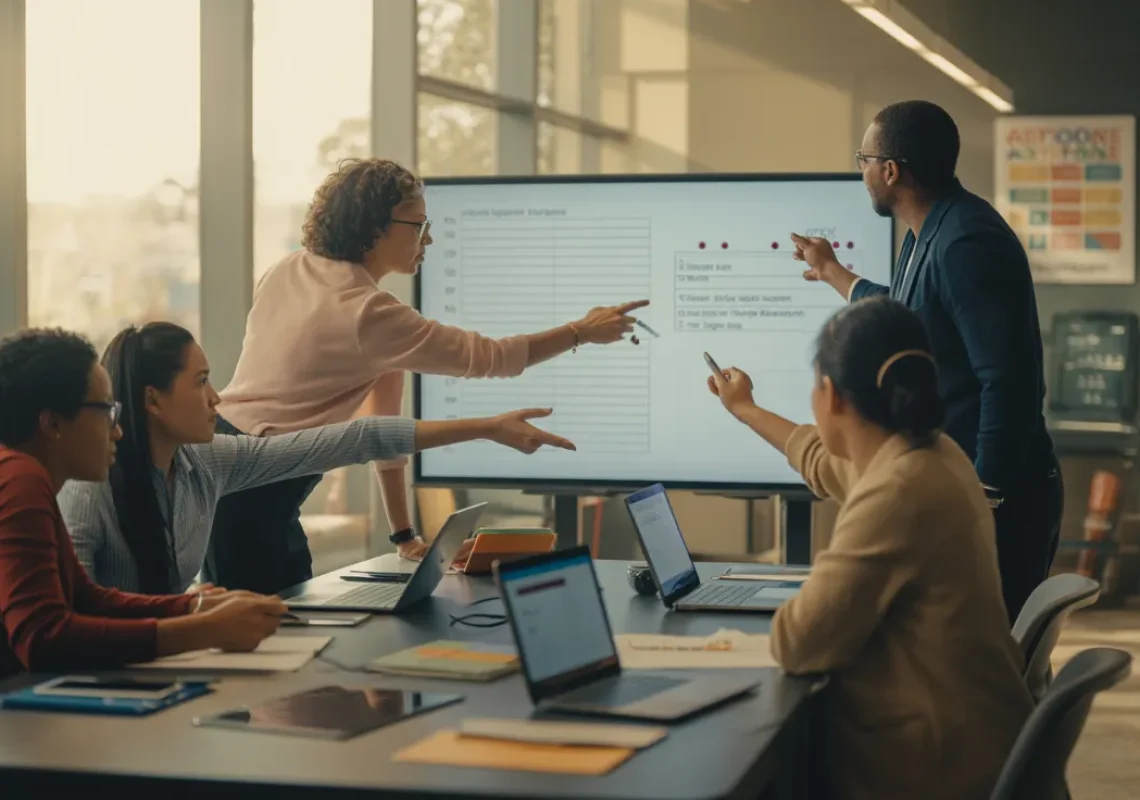
In the ever-evolving landscape of education, the urgency to address student learning gaps has never been more pronounced. These gaps, often exacerbated by unforeseen challenges, threaten to derail the academic progress of countless students. However, with the right strategies and timely interventions, these gaps can be bridged, ensuring that every student has the opportunity to succeed. This article delves into the most effective approaches to closing learning gaps, emphasizing the importance of early identification, personalized instruction, and the integration of technology. Moreover, as the demand for skilled professionals in educational media grows, exploring career opportunities in this field can be both timely and rewarding.
Understanding the Nature of Learning Gaps
Learning gaps refer to the disparities between what students are expected to learn and what they have actually mastered. These gaps can manifest in various forms, including conceptual misunderstandings, skill deficiencies, and knowledge voids. Factors contributing to these gaps range from inconsistent instructional quality to external disruptions like the COVID-19 pandemic. Recognizing the multifaceted nature of learning gaps is crucial for devising targeted interventions. For instance, a student might grasp basic arithmetic but struggle with word problems due to a lack of critical thinking skills. Identifying such specific areas allows educators to tailor their teaching methods accordingly, ensuring that interventions are both effective and efficient.
Early Identification: The First Step Towards Intervention
Timely detection of learning gaps is paramount. Waiting until standardized test results are available can delay necessary interventions, potentially allowing gaps to widen. Instead, educators should employ formative assessments, quizzes, and observational techniques to gauge student understanding in real-time. These tools provide immediate feedback, enabling teachers to adjust their instructional strategies promptly. For example, if a student consistently performs poorly on quizzes related to a particular topic, it signals the need for targeted review sessions. Early identification not only addresses issues before they escalate but also fosters a proactive learning environment where students feel supported and understood.
Personalized Learning: Tailoring Education to Individual Needs
One-size-fits-all approaches are often ineffective in addressing learning gaps. Personalized learning, which adapts the educational experience to meet the unique needs of each student, has proven to be highly effective. This approach involves differentiating instruction based on students’ learning styles, paces, and interests. For instance, visual learners might benefit from infographics and videos, while kinesthetic learners could engage more with hands-on activities. By aligning teaching methods with individual preferences, educators can enhance student engagement and comprehension. Additionally, personalized learning fosters a sense of ownership over one’s educational journey, motivating students to take an active role in their learning process.
Leveraging Technology to Bridge Learning Gaps
In the digital age, technology offers a plethora of tools to support learning. Educational software, online tutorials, and interactive platforms can provide students with additional resources to reinforce classroom instruction. These tools often offer adaptive learning paths, ensuring that content is appropriately challenging and aligned with the student’s current level of understanding. Moreover, technology facilitates access to a wealth of information, allowing students to explore topics beyond the standard curriculum. For example, a student struggling with a particular concept can watch supplementary videos or participate in online forums to gain different perspectives. The integration of technology not only supports traditional teaching methods but also prepares students for a future where digital literacy is essential.
Collaborative Learning: Harnessing the Power of Peer Interaction
Learning is not a solitary endeavor; collaboration enhances understanding and retention. Group activities, peer tutoring, and collaborative projects enable students to learn from one another, share diverse perspectives, and develop critical social skills. For instance, a study group discussing a challenging topic can break down complex ideas into more manageable parts, facilitating mutual comprehension. Collaborative learning also promotes accountability, as students feel a shared responsibility for each other’s success. By fostering a community of learners, educators can create an environment where students support and motivate one another, leading to collective academic growth.
Continuous Feedback: Guiding Students Towards Improvement
Feedback is a powerful tool for learning. Constructive feedback helps students identify areas of strength and areas needing improvement, guiding their academic journey. Instead of waiting for end-of-term evaluations, educators should provide ongoing feedback through assignments, discussions, and assessments. This continuous dialogue allows students to make adjustments in real-time, preventing the accumulation of misunderstandings. For example, timely feedback on a writing assignment can help a student refine their thesis statement before submitting the final draft. Moreover, feedback fosters a growth mindset, encouraging students to view challenges as opportunities for development rather than insurmountable obstacles.
Parental Involvement: Strengthening the Home-School Connection
Parents play a pivotal role in their children’s education. Active involvement in school activities, regular communication with teachers, and a supportive home environment can significantly impact student success. When parents are informed about their child’s progress and areas needing attention, they can provide reinforcement and encouragement at home. For instance, if a student is struggling with reading comprehension, parents can engage in shared reading sessions, discuss the material, and ask probing questions to enhance understanding. The partnership between home and school creates a cohesive support system, ensuring that students receive consistent messages about the importance of education and the steps needed for improvement.
Addressing Learning Gaps in Diverse Educational Settings
Educational settings vary widely, and strategies to address learning gaps must be adaptable to different contexts. In traditional classrooms, small group instruction and differentiated tasks can cater to diverse learning needs. In online or hybrid environments, interactive modules and virtual discussions can facilitate engagement. Moreover, alternative education settings, such as community learning centers, can offer flexible schedules and personalized support. For example, a community center might provide after-school tutoring sessions tailored to the specific needs of local students. Recognizing the unique characteristics of each educational setting allows for the implementation of strategies that are both practical and effective, ensuring that learning gaps are addressed comprehensively.
Exploring Career Opportunities in Educational Media
As the demand for innovative educational solutions grows, so does the need for professionals skilled in educational media. Educational media jobs encompass a range of roles, including content creation, instructional design, and multimedia production. These positions offer opportunities to contribute to the development of engaging and effective learning materials that can reach a wide audience. For instance, an educational media producer might design interactive videos that simplify complex scientific concepts, making them accessible to students worldwide. Pursuing a career in educational media not only allows individuals to leverage their creativity and technical skills but also positions them at the forefront of educational innovation. With the increasing integration of digital tools in education, the need for skilled professionals in this field is expected to rise, presenting promising career prospects for those interested in making a meaningful impact.
In conclusion, addressing student learning gaps requires a multifaceted approach that combines early identification, personalized instruction, technological integration, and collaborative efforts. By implementing these strategies, educators can create an environment where every student has the opportunity to succeed. Additionally, exploring career opportunities in educational media can be a timely and rewarding endeavor, offering individuals the chance to contribute to the evolution of education in the digital age.