
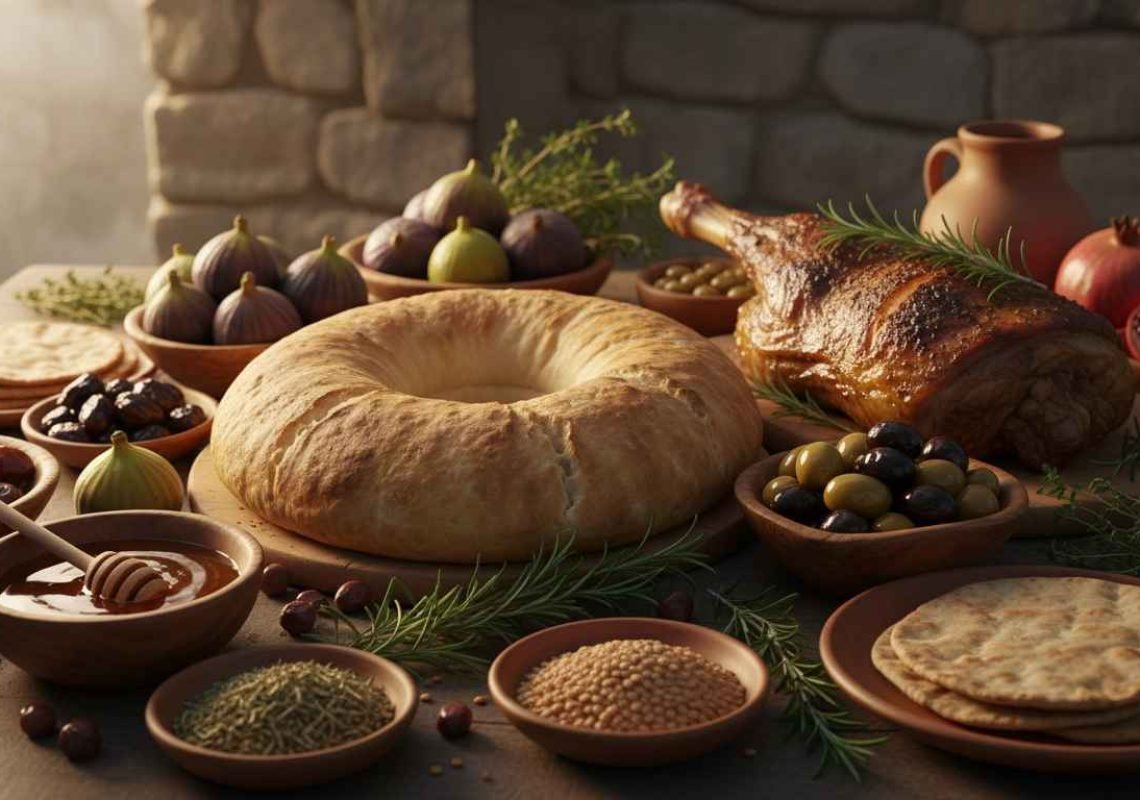
The aroma of freshly baked unleavened bread mingles with the earthy scent of roasted lentils, transporting one to a time when meals were both ritual and sustenance. Foods of the Bible recipes offer a unique window into ancient culinary practices, blending simplicity with nutritional purpose. Understanding the cost breakdown of these dishes can help modern cooks replicate these historic flavors without overspending.
For example, a basic lentil stew, often cited in Biblical accounts, typically includes lentils, onions, garlic, and olive oil. Purchasing one pound of dry lentils costs around $1.50–$2.00, while a medium onion adds approximately $0.60. A few cloves of garlic contribute another $0.50, and two tablespoons of olive oil cost roughly $0.40. In total, preparing four servings comes to about $4.50, or $1.12 per portion, making it both economical and nutrient-dense.
Similarly, unleavened bread made with flour, water, and salt remains a staple example. One cup of flour costs $0.25, a pinch of salt negligible, and water is essentially free. Baking multiple loaves for a family can cost under $2.00, emphasizing the affordability of these ancient staples.
Incorporating other Biblical foods like figs, dates, and honey increases both flavor and cost. A half-cup of dried figs can range from $3.00–$4.00, while dates may reach $5.00 per pound. A tablespoon of natural honey is approximately $0.50. These ingredients enrich both the texture and nutritional profile but should be used judiciously for budget-conscious preparation.
Cooking these recipes today requires some adaptation. Using modern kitchen tools, fresh local ingredients, and pantry staples ensures both authenticity and practicality. Resources like Domestic Fits provide extensive guides for sourcing and preparing these foods while maintaining a balanced cost.
Potential Drawbacks
While these recipes are healthy and historically interesting, some ingredients may be costly or hard to find, particularly in non-Mediterranean regions. Additionally, portions are generally smaller compared to contemporary meals, which may not suit high-calorie diets or large families. Cooking times can be longer, as many dishes rely on slow simmering or open-fire methods.
FAQ
Are foods of the Bible recipes suitable for modern diets?
Yes, these recipes are largely plant-based and rich in fiber and protein. However, adjust portion sizes and ingredients to meet personal dietary needs.
Can I substitute ingredients in Biblical recipes?
Substitutions are possible but should respect the dish’s core flavors. For example, lentils can be swapped with chickpeas in some stews without drastically altering taste or nutritional value.
How do I store these foods?
Dry goods like lentils and flour should be kept in airtight containers. Prepared dishes can be refrigerated for 2–3 days or frozen for longer storage.