
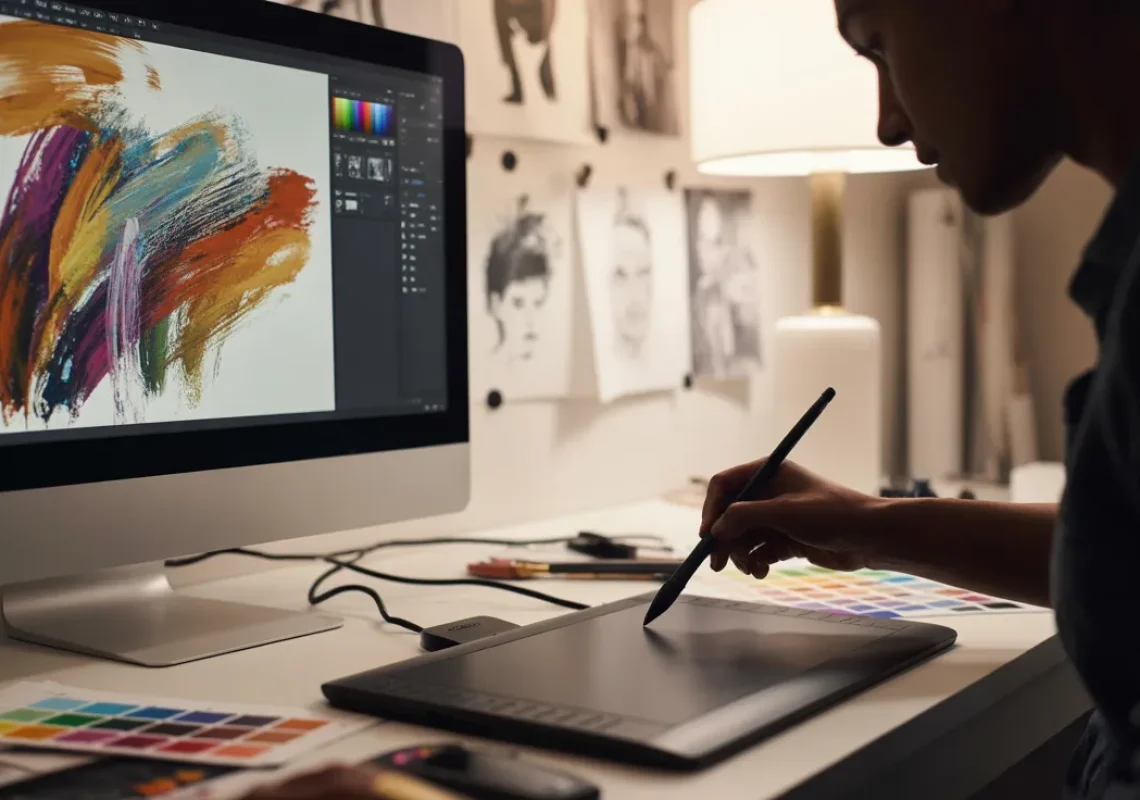
In the ever-evolving world of digital art, the boundary between imagination and reality has blurred, offering artists unprecedented freedom to create. Digital painting has emerged as a powerful medium, allowing artists to craft unique and original artworks that captivate audiences. This article delves into effective strategies for harnessing the potential of digital painting, providing insights that can elevate your artistic endeavors.
Understanding the Fundamentals of Digital Painting
Before embarking on a digital painting journey, it’s crucial to grasp the foundational elements of this medium. Digital painting involves using digital tools to create artwork that simulates traditional painting techniques. Artists utilize software like Adobe Photoshop, Corel Painter, or Procreate, paired with graphic tablets, to mimic the strokes, textures, and nuances of real-world painting. Understanding the interface of your chosen software, customizing brushes, and mastering layer management are essential steps in building a solid foundation. Additionally, familiarizing yourself with color theory, composition, and lighting will significantly enhance the quality of your digital paintings.
Choosing the Right Tools for Digital Painting
The tools you select can profoundly impact your digital painting experience and the quality of your artwork. High-quality graphic tablets, such as those from Wacom or Huion, offer pressure sensitivity and tilt recognition, closely replicating the feel of traditional brushes. The choice of software also plays a pivotal role; Adobe Photoshop is renowned for its versatility, while Procreate offers a user-friendly interface for iPad users. Customizing brushes to suit your artistic style can add unique textures and effects to your paintings. Investing time in learning the intricacies of these tools will pay off in the form of more refined and expressive artwork.
Mastering Brush Techniques for Expressive Strokes
Brushwork is at the heart of digital painting, allowing artists to convey emotion, texture, and movement. Experimenting with different brush settings, such as opacity, flow, and spacing, can yield a wide range of effects. For instance, using a textured brush can add a tactile quality to your painting, while a soft round brush can create smooth gradients. Layering different brush strokes can build depth and complexity in your artwork. Observing traditional painting techniques and attempting to replicate them digitally can also provide valuable insights into effective brushwork strategies.
Utilizing Layers for Complex Compositions
One of the significant advantages of digital painting is the ability to work with multiple layers, allowing for non-destructive editing and complex compositions. Layers enable artists to separate different elements of their artwork, such as the background, midground, and foreground, making it easier to make adjustments without affecting the entire piece. Employing layer blending modes can create various effects, from subtle lighting adjustments to dramatic contrasts. Additionally, using adjustment layers for color correction and applying layer masks for precise editing can enhance the overall quality of your digital paintings.
Incorporating Textures and Patterns for Depth
Adding textures and patterns can bring a sense of realism and depth to your digital paintings. Digital artists often use texture overlays or create custom patterns to simulate materials like fabric, stone, or wood. These elements can add visual interest and complexity to your artwork. Experimenting with different texture brushes or importing high-resolution texture images can provide a rich variety of effects. It’s important to use textures thoughtfully, ensuring they complement the overall composition and do not overwhelm the focal points of your painting.
Exploring Lighting and Shadow Techniques
Lighting and shadows are crucial in creating a sense of depth and dimension in digital paintings. Understanding how light interacts with objects and how shadows are cast can transform a flat image into a dynamic and lifelike scene. Artists can manipulate light sources, adjust opacity, and use soft or hard brushes to paint shadows effectively. Playing with light and shadow can also evoke mood and atmosphere, adding emotional depth to your artwork. Studying real-world lighting conditions and observing how they affect colors and forms can provide valuable insights into effective lighting techniques.
Developing a Unique Artistic Style
Establishing a distinctive artistic style is essential for standing out in the digital art community. Your style reflects your personality, influences, and artistic vision. To develop a unique style, it’s helpful to study the works of artists you admire, identifying elements that resonate with you. Incorporating these elements into your own work, while adding personal touches, can lead to a distinctive style. Consistent practice and experimentation are key; over time, you’ll refine your techniques and develop a cohesive body of work that is unmistakably yours.
Sharing Your Artwork and Engaging with the Community
Once you’ve created your digital paintings, sharing them with the world can lead to valuable feedback and opportunities. Platforms like Instagram, DeviantArt, and ArtStation provide avenues for artists to showcase their work and connect with a global audience. Engaging with the online art community through comments, collaborations, and challenges can foster growth and exposure. Constructive criticism from fellow artists can offer new perspectives and help you improve your craft. Additionally, participating in online art contests or exhibitions can provide recognition and open doors to professional opportunities.
Continuously Evolving Your Digital Painting Skills
The world of digital painting is constantly evolving, with new tools, techniques, and trends emerging regularly. To stay ahead, it’s important to commit to lifelong learning and continuous improvement. Attending workshops, watching tutorial videos, and reading articles can provide new insights and inspire innovation in your work. Experimenting with different styles, genres, and subjects can also broaden your artistic horizons. By remaining curious and adaptable, you can ensure that your digital painting skills continue to grow and evolve, keeping your artwork fresh and engaging.