
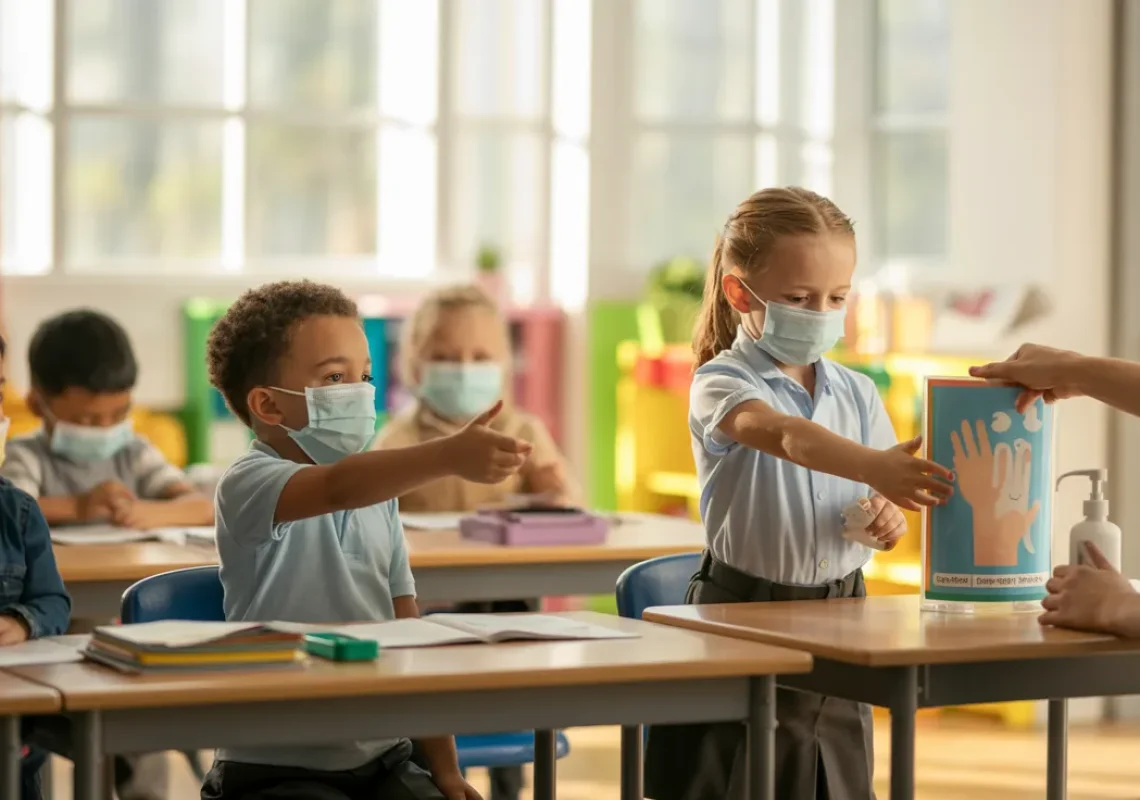
As the crisp autumn air settles in, bringing with it the promise of cozy sweaters and pumpkin spice lattes, it also ushers in the dreaded season of respiratory illnesses. For schools, this time of year is fraught with the challenge of keeping students and staff healthy amidst the rising tide of flu, RSV, and other contagious diseases. The urgency of implementing effective prevention strategies cannot be overstated. Every day that passes without action increases the risk of widespread illness, absenteeism, and potential school closures. The question is not whether your school should act, but how quickly you can mobilize to protect your community. This article delves into the most effective, evidence-based measures for preventing the spread of respiratory illnesses in schools, ensuring that your institution remains a safe haven for learning and growth.
1. Reinforce the Power of Hand Hygiene
Imagine the bustling hallways of a school, filled with the chatter and laughter of students. Now, picture each of those students touching doorknobs, desks, and shared materials. Without proper hand hygiene, each touch becomes a potential vector for germs. The CDC emphasizes that frequent and thorough handwashing with soap and water – or the use of hand sanitizer with at least 60% alcohol – can significantly reduce the spread of respiratory and gastrointestinal diseases. Schools should establish routines that encourage handwashing at key times during the day, such as before meals, after recess, and upon entering the classroom. By embedding these practices into the daily schedule, schools can create an environment where hygiene becomes second nature to students and staff alike.
2. Promote Respiratory Etiquette
In the classroom, a single cough or sneeze can send ripples of concern through the room. Teaching students to cover their mouths and noses with tissues or elbows, and to dispose of tissues immediately, is crucial. The Minnesota Department of Health highlights the importance of this practice in preventing the spread of communicable diseases. Schools should incorporate lessons on respiratory etiquette into health education curricula and reinforce these behaviors through posters and reminders throughout the building. By fostering an atmosphere where respiratory etiquette is the norm, schools can significantly reduce the transmission of airborne illnesses.
3. Enhance Ventilation Systems
Stale, recirculated air in classrooms can become a breeding ground for viruses. The CDC’s guidance for preventing the spread of infections in K-12 schools underscores the importance of improving ventilation to reduce the concentration of airborne pathogens. Simple measures, such as opening windows and using fans, can increase airflow and dilute viral particles. For schools with mechanical ventilation systems, ensuring that they are properly maintained and operating at optimal efficiency is essential. In some cases, upgrading to higher-efficiency filters or adding air purifiers may be necessary to achieve the desired air quality. By prioritizing ventilation, schools can create a safer environment for students and staff.
4. Implement Regular Cleaning and Disinfection
High-touch surfaces in schools – such as doorknobs, light switches, and shared equipment – are prime targets for germs. The Minnesota Department of Health recommends that schools clean and disinfect these surfaces regularly, especially during times of increased illness spread. Establishing a cleaning schedule that includes frequent disinfection of high-touch areas can help minimize the risk of surface transmission. Additionally, providing students and staff with the tools and knowledge to clean their personal spaces can further enhance the overall cleanliness of the school environment. A commitment to cleanliness sends a strong message about the school’s dedication to health and safety.
5. Encourage Vaccination
Vaccination remains one of the most effective tools in preventing the spread of respiratory illnesses. The CDC recommends that all eligible individuals receive the flu vaccine annually and stay up to date with other routine vaccinations. Schools can play a pivotal role by hosting vaccination clinics, providing information about vaccine availability, and encouraging families to immunize their children. By fostering a culture that values vaccination, schools can contribute to community-wide immunity and reduce the incidence of vaccine-preventable diseases. Remember, a vaccinated community is a resilient community.
6. Practice Social Distancing When Necessary
In times of heightened illness activity, maintaining physical distance between individuals can help prevent the spread of respiratory pathogens. The Virginia Department of Health advises that schools consider implementing social distancing measures, such as spacing desks apart and limiting large gatherings, during periods of increased illness. While these measures may not be necessary at all times, they can be an effective strategy when illness rates are rising. It’s important for schools to remain flexible and responsive, adjusting their practices based on the current health landscape to protect the well-being of the school community.
7. Monitor and Respond to Illness Trends
Proactive monitoring of illness trends within the school is essential for timely intervention. The Pennsylvania Department of Health recommends that schools track absenteeism rates and be vigilant for signs of outbreaks. By establishing a system for reporting and analyzing illness data, schools can identify patterns and take appropriate action before a situation escalates. This might include notifying parents, increasing cleaning protocols, or temporarily closing affected areas. A swift and coordinated response can prevent widespread illness and maintain a stable learning environment.
8. Educate and Engage the School Community
Prevention efforts are most effective when the entire school community is informed and engaged. The American Academy of Pediatrics emphasizes the importance of educating students, staff, and families about infection prevention strategies. Schools should utilize various communication channels – such as newsletters, websites, and meetings – to disseminate information and encourage participation. Engaging the community fosters a collective responsibility for health and safety, creating a supportive environment where everyone works together to prevent the spread of illness.
9. Leverage Technology for Remote Learning
In the event of widespread illness, transitioning to remote learning can help maintain educational continuity. The CDC’s guidance for preventing the spread of infections in K-12 schools includes recommendations for planning and implementing virtual learning options. Schools should invest in technology infrastructure, train staff in online teaching methods, and ensure that students have access to necessary devices and internet connectivity. By preparing for the possibility of remote learning, schools can minimize disruptions and continue to provide quality education, even during challenging times.
10. Collaborate with Health Authorities
Collaboration with local health departments and other health authorities is crucial for effective disease prevention and response. The New Jersey Department of Health advises schools to stay informed about local health conditions and follow guidance from public health experts. Schools should establish relationships with health officials, participate in community health initiatives, and be prepared to adjust their practices based on evolving information. By working together, schools and health authorities can create a unified approach to preventing and managing respiratory illnesses.
In conclusion, preventing the spread of respiratory illnesses in schools requires a multifaceted approach that combines proactive measures, community engagement, and flexibility. By implementing these strategies, schools can create a safe and healthy environment conducive to learning. The time to act is now – delaying these measures only increases the risk of illness and disruption. Take the necessary steps today to protect your school community and ensure a healthy tomorrow.