
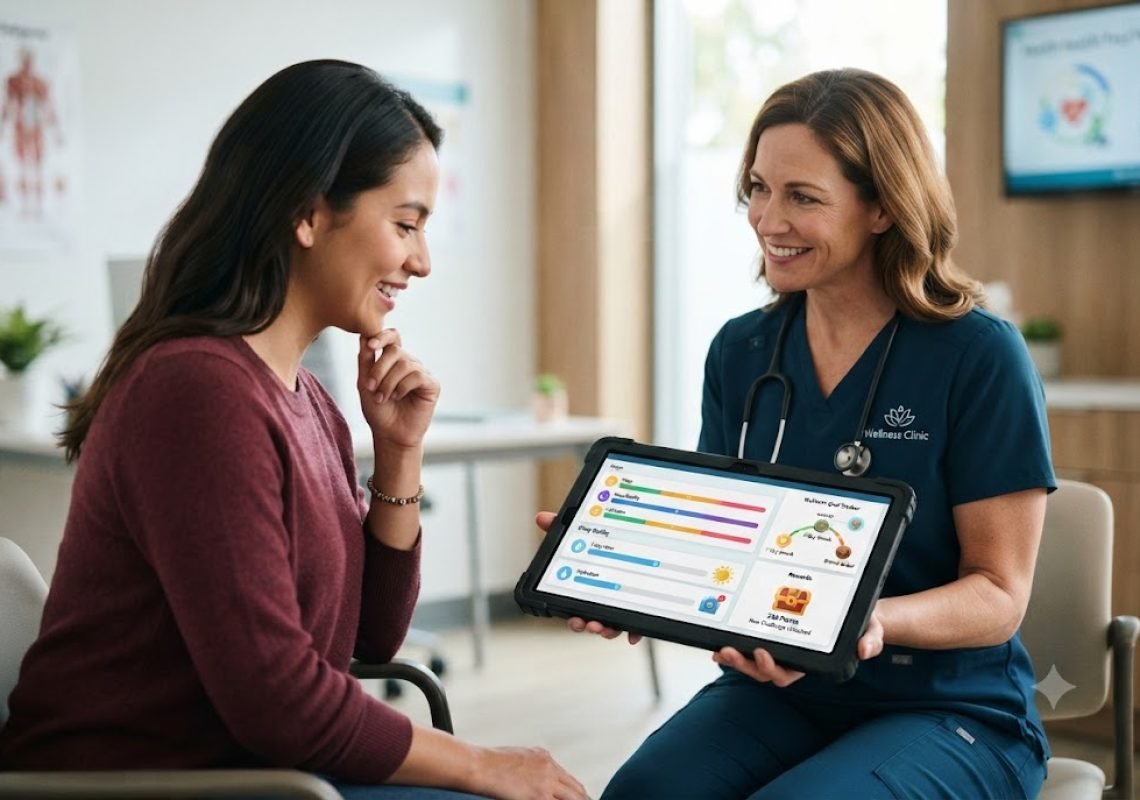
Gamification in healthcare is reshaping how patients, providers, and organizations interact in the modern medical landscape. By incorporating game-like elements into healthcare systems, providers can create more engaging, motivating, and effective experiences for patients.
From fitness tracking apps to chronic disease management platforms, gamification in healthcare encourages individuals to take an active role in their well-being. This approach improves engagement, promotes healthy habits, and enhances overall outcomes.
What Is Gamification in Healthcare?
Gamification in healthcare refers to the use of game mechanics such as rewards, challenges, and progress tracking in medical and wellness environments. These elements motivate patients and healthcare professionals to achieve specific health-related goals.
Common healthcare gamification elements include:
- Points and reward systems
- Achievement badges
- Progress tracking dashboards
- Health challenges and goals
- Leaderboards for community engagement
These features turn routine health activities into engaging experiences that encourage consistent participation.
Why Gamification Improves Healthcare Engagement
Traditional healthcare systems often struggle with patient engagement and adherence to treatment plans. Gamification in healthcare addresses these challenges by making health management more interactive and rewarding.
Key benefits include:
- Improved patient motivation
- Better treatment adherence
- Increased engagement with health apps
- Enhanced patient education
- Stronger behavioral change
Similar to gamification customer engagement, this approach leverages motivation and rewards to drive consistent participation.
Key Applications of Healthcare Gamification
1. Fitness and Wellness Apps
Fitness applications use gamification to encourage physical activity through step tracking, challenges, and rewards. Users can earn badges, maintain streaks, and compete with others.
2. Chronic Disease Management
Gamification helps patients manage long-term conditions such as diabetes or hypertension. Progress tracking and reminders encourage consistent medication and lifestyle management.
3. Mental Health Support
Gamified platforms provide interactive exercises, mood tracking, and guided challenges to support mental health improvement.
4. Medical Training and Education
Healthcare professionals benefit from gamified training simulations that improve learning and skill development.
Gamification and Healthcare: Real-World Examples
Healthcare gamification is widely adopted across various platforms and services.
Mobile Health Applications
Apps use daily goals, rewards, and reminders to keep users engaged in their health routines.
Wearable Devices
Devices track activity and provide real-time feedback, encouraging users to meet fitness targets.
Patient Portals
Gamified dashboards motivate patients to complete health tasks and monitor progress.
These strategies align with approaches used in gamification in loyalty programs, where rewards and incentives drive consistent engagement.
Gamification for Healthcare: Benefits for Providers
Healthcare organizations also benefit from implementing gamification strategies.
- Improved patient retention
- Better health outcomes
- Enhanced patient satisfaction
- Increased efficiency in care delivery
- More accurate data collection
Gamification enables providers to create meaningful interactions that go beyond traditional care methods.
Best Practices for Implementing Healthcare Gamification
- Focus on user experience: Ensure systems are easy to use and accessible.
- Provide meaningful rewards: Incentives should encourage real behavior change.
- Personalize experiences: Tailor goals and challenges to individual needs.
- Ensure data privacy: Protect sensitive patient information.
- Use data insights: Continuously improve engagement strategies.
According to World Health Organization digital health insights, digital engagement tools play a critical role in improving healthcare accessibility and outcomes.
Challenges of Gamification in Healthcare
Despite its advantages, gamification in healthcare presents certain challenges.
- Data privacy concerns
- Over-reliance on rewards
- Lack of personalization
- Limited accessibility for some users
Addressing these issues is essential for creating effective and sustainable solutions.
Future of Healthcare Gamification
The future of gamification in healthcare will be driven by advanced technologies such as artificial intelligence, wearable devices, and virtual reality. These innovations will create more immersive and personalized experiences.
Healthcare systems will increasingly adopt gamification to improve patient outcomes and engagement across digital platforms.
Conclusion
Gamification in healthcare is revolutionizing patient engagement and care delivery. By incorporating interactive elements such as rewards, challenges, and progress tracking, healthcare providers can motivate patients to take control of their health.
As technology continues to evolve, gamification will play an even greater role in shaping the future of healthcare, making it more engaging, accessible, and effective for everyone.