
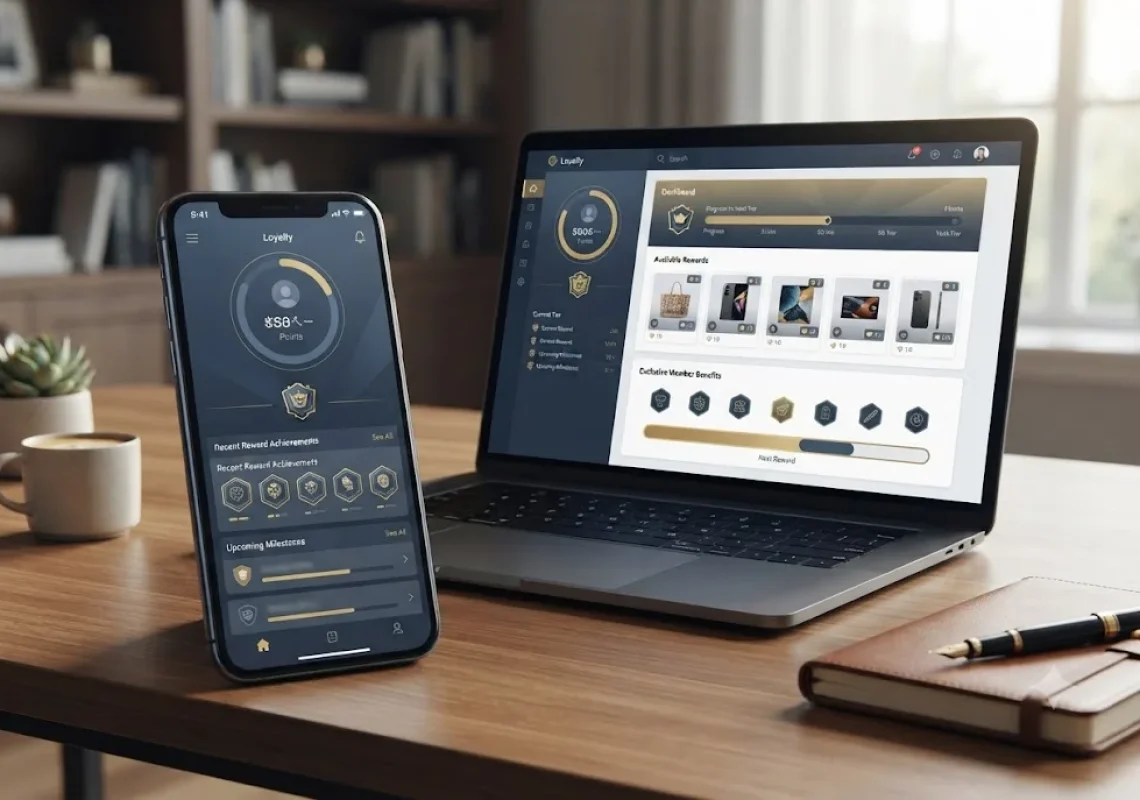
Gamification in loyalty programs is redefining how businesses build lasting relationships with their customers. Instead of traditional reward systems, companies now use interactive and game-like elements to create engaging experiences that motivate customers to stay loyal.
By integrating rewards, challenges, and personalized incentives, businesses can transform routine transactions into enjoyable interactions. This not only improves engagement but also encourages repeat purchases and long-term brand loyalty.
What Is Gamification in Loyalty Programs?
Gamification in loyalty programs refers to the use of game mechanics such as points, badges, levels, and challenges to enhance traditional loyalty systems. These elements make the experience more interactive and rewarding for users.
Common gamification features include:
- Points-based rewards
- Achievement badges
- Tiered membership levels
- Leaderboards
- Challenges and missions
- Exclusive incentives
These features encourage customers to engage more frequently while building a deeper emotional connection with the brand.
Why Gamification Loyalty Programs Work
Traditional loyalty programs often fail to maintain long-term interest. Gamification loyalty programs solve this issue by making participation fun and rewarding.
Key benefits include:
- Increased customer retention
- Higher engagement levels
- Stronger brand loyalty
- Improved customer lifetime value
- Enhanced user experience
Businesses implementing gamification customer engagement strategies often see significant improvements in user interaction and retention.
Key Elements of Loyalty Program Gamification
1. Points and Rewards Systems
Points-based systems are the foundation of gamification rewards programs. Customers earn points for actions such as purchases, referrals, or social engagement.
These points can be redeemed for discounts, exclusive offers, or special perks, encouraging repeat interactions.
2. Tiered Loyalty Levels
Tiered systems create a sense of progression and achievement. Customers move through levels such as silver, gold, and platinum based on their activity.
This motivates users to continue engaging in order to unlock higher benefits.
3. Challenges and Missions
Challenges add excitement and urgency to loyalty programs. Businesses can design tasks such as making a certain number of purchases within a timeframe or referring friends.
Completing these challenges rewards users and keeps them actively involved.
4. Badges and Recognition
Recognition is a powerful motivator. Digital badges and achievements provide users with a sense of accomplishment and status.
This psychological reward enhances engagement beyond monetary incentives.
Gamification and Loyalty Programs Across Industries
Gamification in loyalty programs is widely used across industries to improve customer engagement and retention.
E-Commerce
Online retailers use gamification to reward repeat purchases, referrals, and product reviews.
Mobile Apps
Apps encourage user activity through streak rewards, daily challenges, and progress tracking.
Healthcare
Even in sectors like gamification in healthcare, reward-based systems motivate users to adopt healthier behaviors and stay engaged.
Designing an Effective Gamification Rewards Program
To create a successful loyalty gamification strategy, businesses must focus on user experience and value.
- Keep it simple: Avoid overly complex systems that confuse users.
- Offer meaningful rewards: Ensure incentives are valuable and relevant.
- Encourage consistency: Use recurring challenges and streak rewards.
- Personalize experiences: Tailor rewards based on user behavior.
- Align with business goals: Focus on retention, engagement, or conversions.
According to McKinsey research on personalization in customer engagement, personalized experiences significantly improve customer satisfaction and loyalty outcomes.
Benefits of Gamification Customer Loyalty
Gamification customer loyalty strategies offer multiple advantages for businesses looking to build long-term relationships.
- Encourages repeat purchases
- Increases brand engagement
- Builds emotional connections
- Improves customer retention
- Enhances user satisfaction
When customers feel rewarded and recognized, they are more likely to remain loyal to a brand.
Common Challenges in Loyalty Program Gamification
While gamification offers many benefits, businesses must avoid common mistakes.
- Overcomplicating reward systems
- Offering low-value incentives
- Lack of personalization
- Poor user experience design
Addressing these challenges ensures a smoother and more effective gamification strategy.
Future of Gamification in Loyalty Programs
The future of gamification in loyalty programs will be driven by AI, personalization, and immersive technologies. Businesses will increasingly use data to create adaptive experiences tailored to individual users.
Integration across digital platforms will also allow brands to deliver seamless and engaging experiences, making loyalty programs more interactive and effective.
Conclusion
Gamification in loyalty programs is a powerful strategy for increasing customer engagement and retention. By incorporating rewards, challenges, and personalized experiences, businesses can turn ordinary interactions into memorable journeys.
As competition grows, companies that invest in gamified loyalty programs will be better positioned to build strong, lasting relationships with their customers.