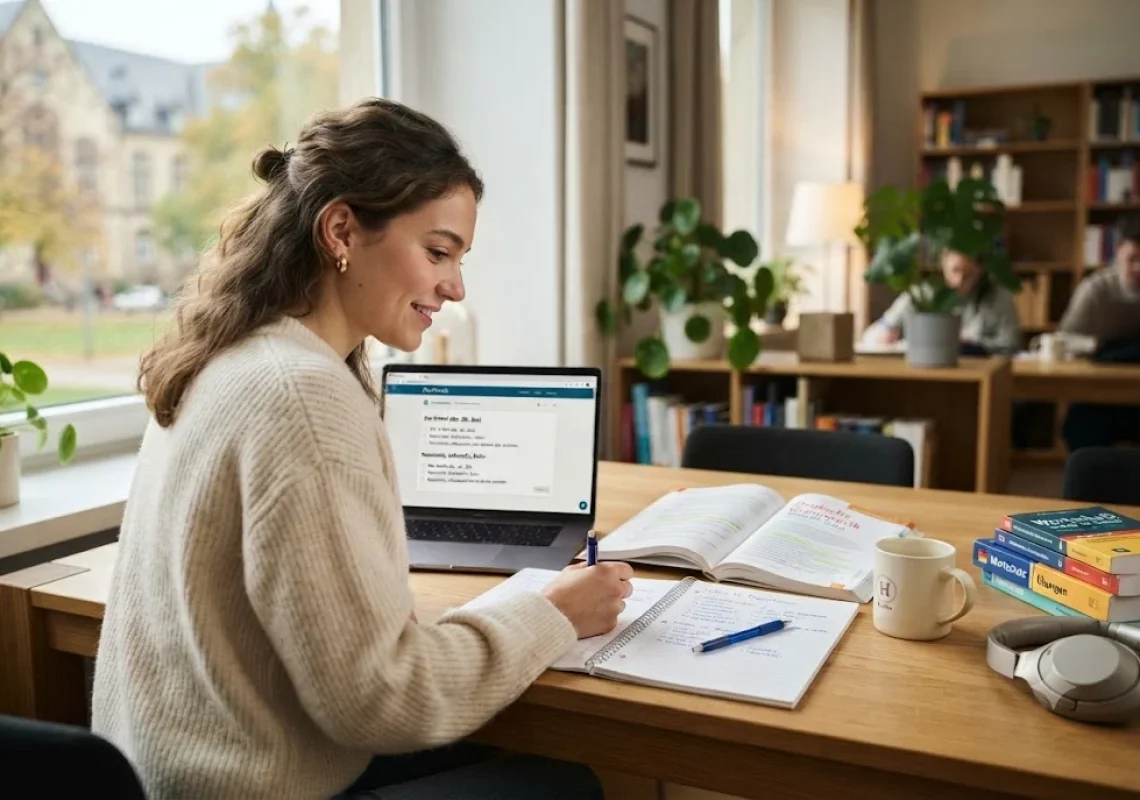
If you’ve ever wondered is German a hard language to learn, you’re not alone. German is one of the most popular languages for students, professionals, and travelers, but its reputation for complex grammar often discourages beginners. The good news is that German is far more approachable than many people think. With the right study methods and a structured learning plan, you can build confidence and make steady progress toward fluency.
German is spoken by more than 100 million native speakers and is the official language of Germany, Austria, and parts of Switzerland. It is also one of the most influential languages in business, science, engineering, and higher education.
Is German a Hard Language to Learn for English Speakers?
The answer to is german a hard language to learn depends on your background and learning approach. For English speakers, German is considered easier than many Asian or Slavic languages because both English and German belong to the Germanic language family.
This means you’ll find thousands of familiar words, similar sentence structures, and shared vocabulary that make learning easier.
However, beginners often find these aspects challenging:
- Four grammatical cases
- Three noun genders
- Long compound words
- Word order in complex sentences
- Verb conjugations
Although these topics require practice, they become much easier through regular exposure and consistent study.
Why Learn German?
German offers many personal and professional advantages. Learning the language can help you:
- Access better career opportunities
- Study at world-renowned universities
- Travel confidently across German-speaking countries
- Read German literature and research
- Communicate with millions of native speakers
Germany also has one of Europe’s strongest economies, making German valuable for international business and engineering careers.
German Language Learning Guide for Beginners
A complete german language learning guide should focus on all four language skills: listening, speaking, reading, and writing.
Start with Basic Vocabulary
Learn everyday words, greetings, numbers, colors, family members, food, and common verbs before moving to advanced grammar.
Understand Grammar Gradually
Rather than memorizing every grammar rule, learn one concept at a time. Practice sentence building until each rule becomes natural.
Practice Listening Daily
Listen to beginner podcasts, YouTube lessons, and slow German conversations to improve pronunciation and comprehension.
Speak from Day One
Don’t wait until you’re “ready.” Speaking simple sentences early builds confidence and improves fluency much faster.
Is the German Language Easy to Learn?
Many learners also ask, is the German language easy to learn. While German has a reputation for complicated grammar, its pronunciation is surprisingly logical. Most words are pronounced as they are written, making reading easier than in English.
Additionally, many German words resemble English words, including:
- Haus – House
- Hand – Hand
- Winter – Winter
- Mutter – Mother
- Wasser – Water
These similarities help beginners expand their vocabulary more quickly.
Best Resources to Learn German Language
If you want to learn German language effectively, combine different learning resources instead of relying on only one.
Language Learning Apps
Interactive apps help reinforce vocabulary through daily exercises and quizzes.
Grammar Books
A structured grammar reference helps explain sentence patterns, verb forms, and noun cases.
Online Courses
Video lessons provide guided instruction and listening practice suitable for beginners.
Conversation Practice
Speaking with native speakers or language exchange partners dramatically improves confidence.
How Long Does It Take to Learn German?
Your progress depends on consistency, study time, and immersion. Someone studying for 30–60 minutes daily can develop conversational skills within several months. Advanced fluency naturally requires longer-term commitment.
Regular practice is far more effective than occasional intensive study sessions.
Common Challenges Beginners Face
- Remembering noun genders
- Understanding grammatical cases
- Learning compound words
- Building confidence when speaking
- Listening to native-speed conversations
These challenges are completely normal and become easier through repetition and practical usage.
Tips to Learn German Faster
Create a Daily Routine
Study vocabulary, grammar, listening, and speaking every day—even if only for 20 minutes.
Read Simple German Content
Children’s books, graded readers, and beginner news articles improve reading skills without overwhelming learners.
Watch German Media
Watching German films, television shows, and YouTube channels exposes you to natural pronunciation and everyday vocabulary.
Review Vocabulary Regularly
Use spaced repetition flashcards to strengthen long-term memory.
Continue Expanding Your Language Skills
If you’re interested in becoming multilingual, exploring other languages can strengthen your overall learning strategies. You may also enjoy our guides on French language learning resources and the upcoming article on Korean language learning resources, which compare learning methods across different language families.
For trusted language proficiency guidelines and educational standards, visit the American Council on the Teaching of Foreign Languages (ACTFL).
Final Thoughts
So, is german a hard language to learn? While German includes grammar concepts that require practice, it is one of the most accessible foreign languages for English speakers. By following a structured german language learning guide, practicing consistently, and using multiple study resources, you’ll steadily improve your reading, writing, listening, and speaking skills. Stay patient, practice every day, and your confidence will continue to grow.