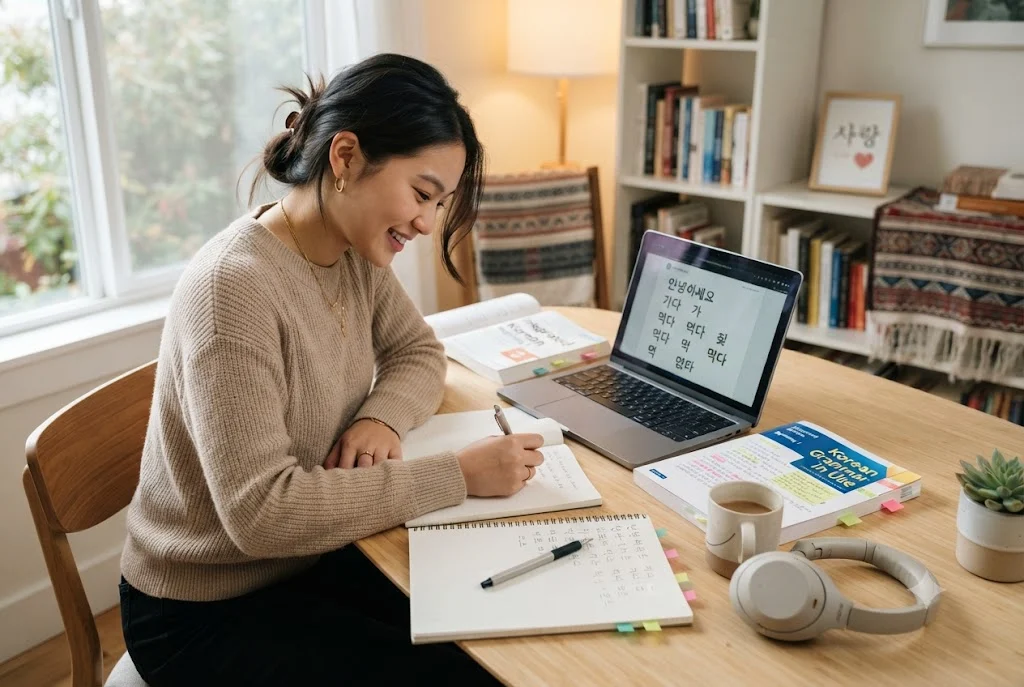

Finding the right french language learning resources can make the difference between struggling with vocabulary and confidently holding conversations. Whether you’re learning French for travel, work, education, or personal growth, choosing high-quality resources helps you stay motivated and progress faster. This guide explores the best books, websites, apps, games, and study techniques to help you build a strong foundation while answering one of the most common questions: is French a hard language to learn?
French is spoken by more than 300 million people worldwide and remains one of the most valuable languages to learn. By combining structured lessons with immersive practice, you can steadily improve your listening, speaking, reading, and writing skills.
Why Learn French?
French is an official language in numerous countries across Europe, Africa, North America, and the Caribbean. Learning it offers several benefits, including:
- Better career opportunities in international organizations
- Improved travel experiences in French-speaking countries
- Access to French literature, cinema, and culture
- Preparation for academic programs requiring French proficiency
- Enhanced cognitive skills through bilingual learning
If you plan to study multiple languages, learning French can also make it easier to understand other Romance languages such as Spanish, Italian, and Portuguese.
Best French Language Learning Resources
The most effective french language learning resources combine grammar instruction with practical conversation practice.
Online Learning Platforms
Interactive learning platforms provide structured lessons suitable for beginners and intermediate learners. Many include quizzes, pronunciation exercises, vocabulary reviews, and progress tracking.
These platforms help learners practice consistently while building confidence through short daily lessons.
French Grammar Books
A reliable grammar book helps you understand sentence structure, verb conjugations, and common expressions. Pair grammar study with listening practice to reinforce what you learn.
Audio Lessons and Podcasts
Listening to native speakers improves pronunciation and comprehension. Beginner-friendly podcasts often explain vocabulary slowly before introducing natural conversations.
YouTube Channels
Educational videos covering pronunciation, grammar, culture, and conversation provide visual learning that complements traditional study materials.
French Language Learning Games Make Studying Fun
Many learners stay motivated by using french language learning games. These interactive activities reinforce vocabulary without feeling like traditional studying.
Popular game formats include:
- Vocabulary matching challenges
- Word puzzles
- Flashcard competitions
- Sentence-building games
- Listening quizzes
- Pronunciation challenges
Gamified learning encourages daily practice, which is one of the biggest factors in long-term success.
Is French a Hard Language to Learn?
One of the most frequently asked questions is is French a hard language to learn. The answer depends on your native language and study habits.
For English speakers, French is generally considered one of the easier foreign languages because both languages share thousands of similar words derived from Latin and Norman French.
However, beginners often find these areas challenging:
- Pronunciation of nasal vowels
- Silent letters
- Verb conjugations
- Gendered nouns
- Listening to native-speed conversations
Fortunately, consistent practice gradually makes these challenges much easier to overcome.
How to Learn French Fast
If your goal is to learn French fast, consistency matters more than studying for long hours occasionally.
Create a Daily Learning Routine
Spend 20–30 minutes every day reviewing vocabulary, reading simple texts, and practicing pronunciation.
Practice Speaking Early
Many learners delay speaking because they fear making mistakes. Instead, begin practicing simple conversations from the first week.
Immerse Yourself
Watch French television shows, listen to French music, and change your phone’s language settings to French when possible.
Use Spaced Repetition
Flashcard systems help move vocabulary from short-term memory into long-term retention.
Essential Skills Every Beginner Should Practice
Listening
Start with slow conversations before progressing to native-speed audio.
Speaking
Focus on pronunciation rather than perfection.
Reading
Children’s books, graded readers, and news articles written for learners help improve comprehension.
Writing
Maintain a simple French journal using newly learned vocabulary.
Common Mistakes Beginners Should Avoid
- Trying to memorize long vocabulary lists without context
- Ignoring pronunciation practice
- Skipping grammar entirely
- Studying irregularly
- Fear of speaking with native speakers
- Relying on only one learning resource
Combining multiple study methods produces better long-term results.
Helpful Resources for Continued Learning
As your skills improve, consider expanding into specialized learning materials such as business French, travel French, or academic writing. If you’re interested in learning additional languages, our upcoming guides on learning German and Korean language learning resources will help you compare learning strategies across different languages.
For trusted language proficiency information and learning standards, visit the American Council on the Teaching of Foreign Languages (ACTFL).
Final Thoughts
The best french language learning resources are the ones you use consistently. By combining grammar books, interactive apps, speaking practice, podcasts, and french language learning games, you can steadily improve every language skill. Although some learners wonder whether French is difficult, regular practice makes the language increasingly accessible. Stay patient, practice daily, and you’ll make meaningful progress toward fluency.